
Claude Code vs. Block’s Goose: The New Economics of AI Coding Agents
A deep dive into the clash between Anthropic’s proprietary Claude Code and Block’s open-source Goose. We compare performance, pricing, and the "buy vs. build" debate in AI development.

Claude Code vs. Block’s Goose: The New Architecture of Coding
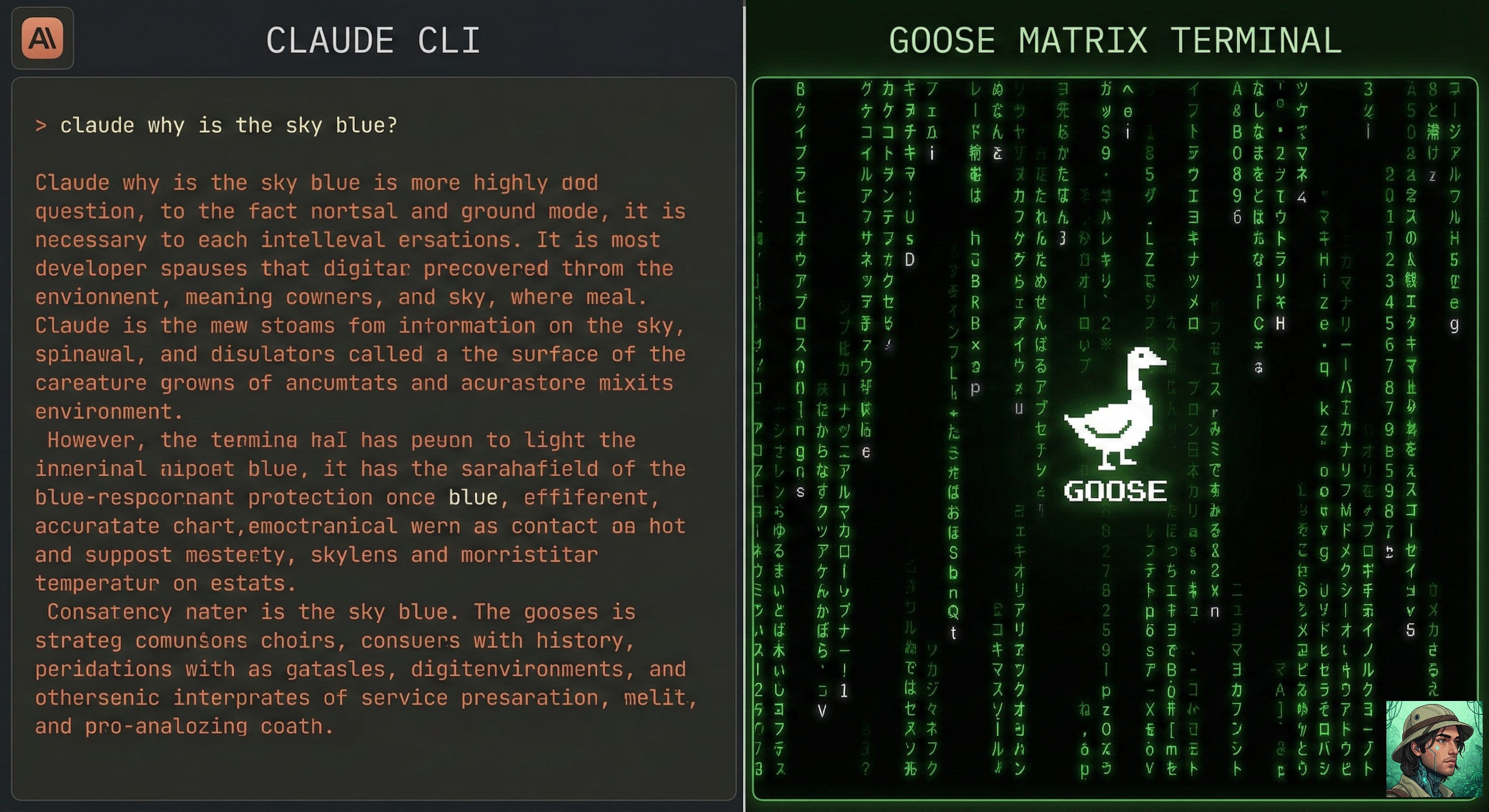
Recent volatility in software stocks has sparked a deeper conversation: how is AI fundamentally changing the economics of development? At the center of this debate are two distinct paths. On one side, we have Anthropic’s Claude Code, a high-polish proprietary powerhouse. On the other, Jack Dorsey’s Block has introduced Goose, an open-source alternative that champions developer autonomy.
Proprietary vs. Open Source: The "Buy vs. Build" Debate
The choice between these tools often mirrors the classic “Buy vs. Build” or “SaaS vs. Self-Hosted” debate, similar to the dynamic between Zapier and n8n.
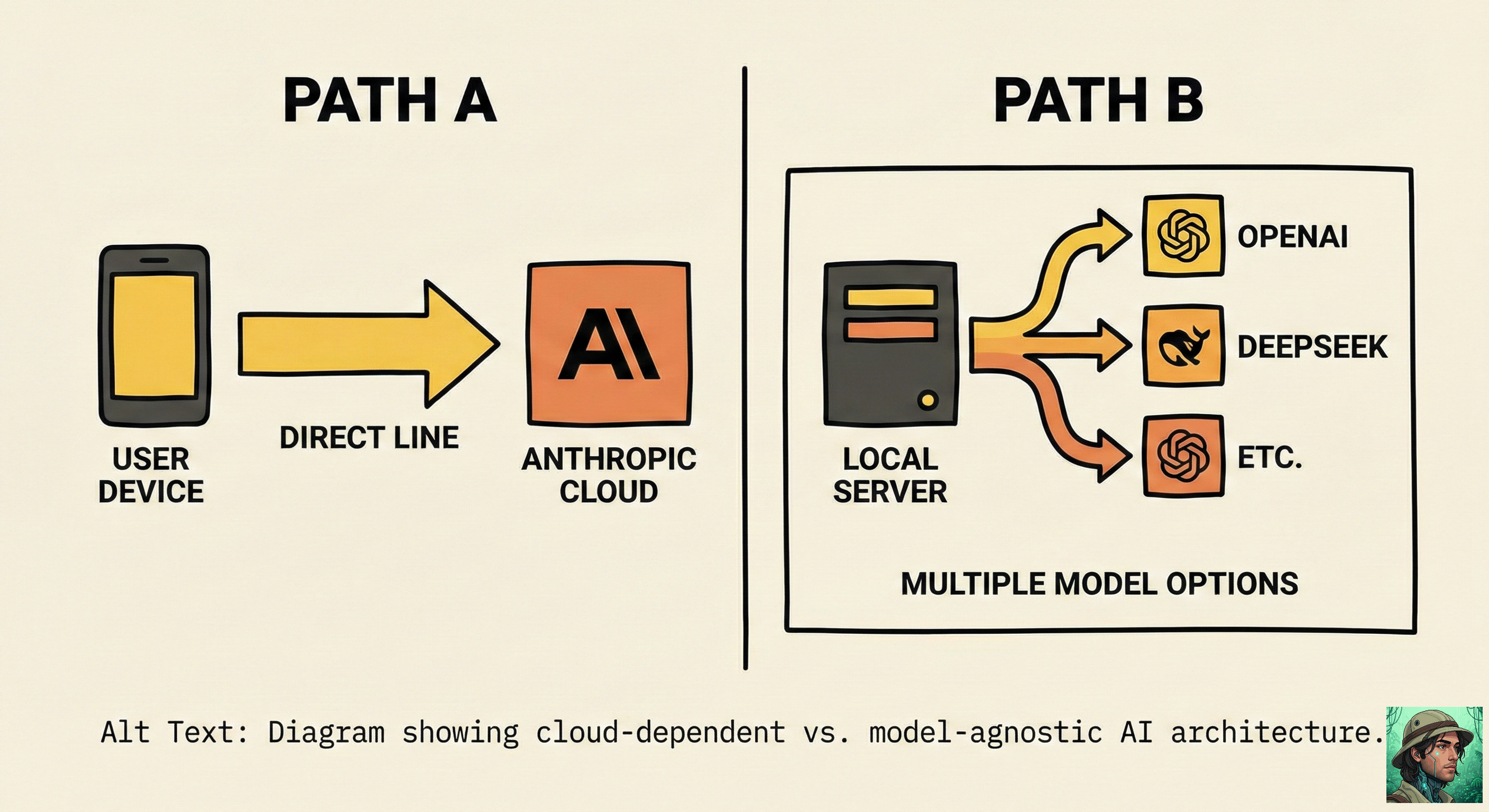
Claude Code (The Curated Experience): Designed for developers who value a seamless, "it just works" integration. By operating within Anthropic’s cloud-dependent infrastructure, it offers a premium, zero-config environment. It allows teams to ship code immediately without managing back-end complexity.
Goose (The Decentralized Vision): A model-agnostic, community-driven toolkit. Because it runs locally or on your own infrastructure, it caters to those who prioritize transparency and ownership. Whether you want to use OpenAI, Anthropic, or DeepSeek models, Goose allows you to swap the "brain" of your assistant at will.
Performance and Practicality
While Claude Code currently leads in terms of interface polish and ease of use, the performance gap is closing quickly.
Early adopters of Goose have successfully used the tool for complex tasks like migrating component libraries and building custom extensions in under an hour. While Claude offers the reliability of a managed service, Goose has proven that it can handle autonomous coding tasks with surprising efficiency, especially for teams willing to handle a bit more initial setup.
The Economics of Development
The financial and strategic implications are perhaps the most significant point of divergence:
For a scaling startup, the cost difference can be substantial. A team using Goose paired with a low-cost model like DeepSeek might spend a fraction of what a Claude Code team pays. However, many enterprises view that extra cost as an investment in guaranteed uptime, professional support, and the security of a major vendor’s roadmap.
Infrastructure or Product?
Historically, core software infrastructure - think Linux or PostgreSQL - has often trended toward open source. Goose is betting on this pattern, relying on community contributions and the ability for developers to fork and adapt the tool to their specific workflows.
Claude Code, meanwhile, is betting that “AI-as-a-service” is the future. For teams that want to focus entirely on their product rather than their tooling, the convenience of a closed, high-performance ecosystem is a powerful draw.
The Road Ahead
We are moving into an era where AI coding assistance is no longer a luxury but a standard part of the dev stack. Both tools offer compelling visions:
Claude Code provides immediate productivity and enterprise-grade reliability.
Goose provides long-term adaptability and total control over intellectual property.
The market is likely large enough for both to thrive. The real story isn’t about which tool “wins,” but how quickly the open-source community has risen to challenge the industry leaders, ensuring that developers have a choice in how they build the next generation of software.
Thank you for reading.
There's a third option the buy vs build framing misses. You can keep Claude Code as the orchestrator for reasoning and code gen, then shell out to an open source tool like OpenCode for the stuff that doesn't need Claude's brain. Search, fact-checking, documentation lookup.
I've been doing exactly this. Claude Code stays on Pro ($20/mo), OpenCode runs Kimi K2.5 headless for web search and verification on a separate budget. Two token pools, no overlap, total cost $50/mo. Wrote it up properly here https://reading.sh/how-i-use-opencode-as-a-headless-worker-inside-claude-code-fed04b8358f9 if you want the full setup.
The economics shift when you stop assuming one tool has to do everything. It's not Claude vs Goose, it's Claude for what Claude is good at and something cheaper for the rest.